Varanasi, also known as Kashi or Benares, is one of the oldest continuously inhabited cities in the world and a major cultural and spiritual hub of India.
Located on the western banks of the sacred Ganges River in the northern state of Uttar Pradesh, Varanasi is often referred to as the spiritual capital of India. The city holds immense religious significance for Hindus, Buddhists, and Jains and attracts millions of pilgrims and tourists each year.
Varanasi is considered the holiest of the seven sacred cities in Hinduism. According to Hindu belief, dying in Varanasi and being cremated on the Ghats of the Ganges allows one to attain moksha (liberation from the cycle of birth and rebirth). The city is dotted with over 2,000 temples, with the Kashi Vishwanath Temple being the most prominent. Dedicated to Lord Shiva, it is one of the 12 Jyotirlingas, the holiest of Shiva temples.
The Ghats of Varanasi
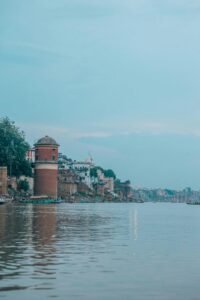
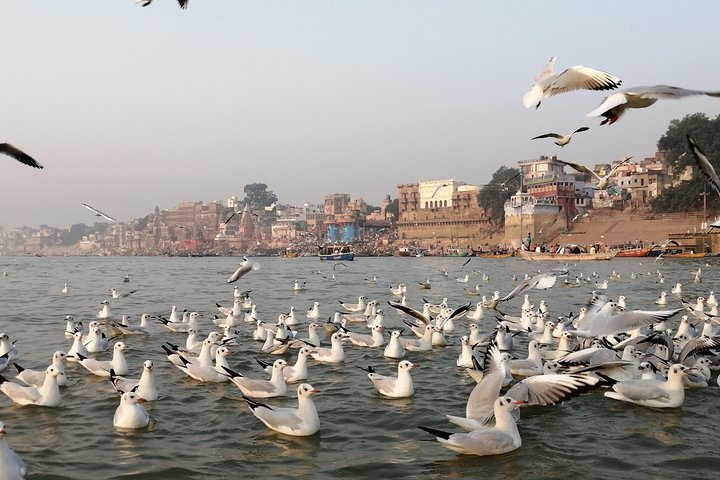
One of the most iconic features of the city is its ghats—stepped embankments leading to the Ganges. There are around 84 Ghats in Varanasi, each with its own historical and religious significance.
Dashashwamedh Ghat is the most famous and is known for its grand evening Ganga Aarti, a spiritual ceremony that draws large crowds of devotees and tourists. Manikarnika Ghat and Harishchandra Ghat are prominent cremation sites, emphasizing the city’s connection with death and spiritual liberation.
Cultural Heritage and Arts
Varanasi is a vibrant cultural center. It is famous for classical music, especially vocal and instrumental forms like sitar, tabla, and shehnai. Renowned musicians such as Ravi Shankar and Bismillah Khan hailed from the city.
Varanasi is also known for Banarasi silk sarees, which are renowned for their intricate gold and silver brocade (zari) work and fine silk. The city’s lanes are filled with traditional weavers, artisans, and craftsmen.
A vibrant cultural performance on the ghats of Varanasi, celebrating timeless Indian heritage.
Educational and Historical Importance
Varanasi is home to Banaras Hindu University (BHU), one of Asia’s largest residential universities, established in 1916 by Pandit Madan Mohan Malaviya. BHU has been a major center of learning and research for over a century.
The city also houses several museums and libraries that preserve ancient manuscripts and artworks.
Buddhist and Jain Connections
Varanasi is also famous for Buddhism and Jain. Sarnath is the place located in Varanasi has a great volume of tourist attraction and represent the Buddhist. Lord Gautam Buddha performed is first sermon after attaining enlightenment to his five companions.
Maharshee Parshvnath, 23th Tirthankar of Jain was born in Vraanasi. In such way we can say Varanasi has deep impact of Buddhism and Jainism too.
The iconic Dhamek Stupa in Sarnath—marking the sacred site of Buddha’s first sermon
Modern Tourism and Infrastructure
Varanasi is Heritage city, well connected with wide range of Railways and Road. In present scenario, Kashi is modernizing with all the basic facilities and resources. The city’s unique blend of ancient traditions and modern development continues to fascinate visitors from around the world.
In conclusion
Varanasi stands as a living symbol of India’s cultural heritage, spiritual depth, and religious diversity. Known for its sacred ghats, ancient temples, and vibrant traditions, the city is a unique blend of Hindu, Buddhist, and Jain influences. With its rich tapestry of art and culture, Varanasi offers an unforgettable journey through history, devotion, and creativity. Whether you seek spiritual awakening or cultural exploration, Varanasi remains one of the most famous and cherished destinations in India for every traveler.