Introduction
Varanasi, also known as Kashi or Benares, is the spiritual capital of India and one of the oldest continuously inhabited cities in the world. Nestled along the banks of the sacred river Ganges.
The city boasts more than 84 Ghats—stepped embankments leading down to the water. These Ghats are not just architectural structures but are vibrant microcosms of life, death, and spirituality. Each Ghat has a story, significance, and a rhythm that resonates with the soul of India.
Steps to Eternity
The word ‘ghat’ originates from the Sanskrit word ‘gṛhaṭa’, meaning steps leading to water. The ghats of Varanasi were primarily developed during the 18th century under the patronage of Maratha rulers like the Peshwas and Scindias. Some ghats, however, date back even earlier, with connections to legends from the Ramayana and Mahabharata.
Over centuries, these ghats have witnessed religious rituals, cremations, sacred baths, and even political discourses.
Dashashwamedh Ghat
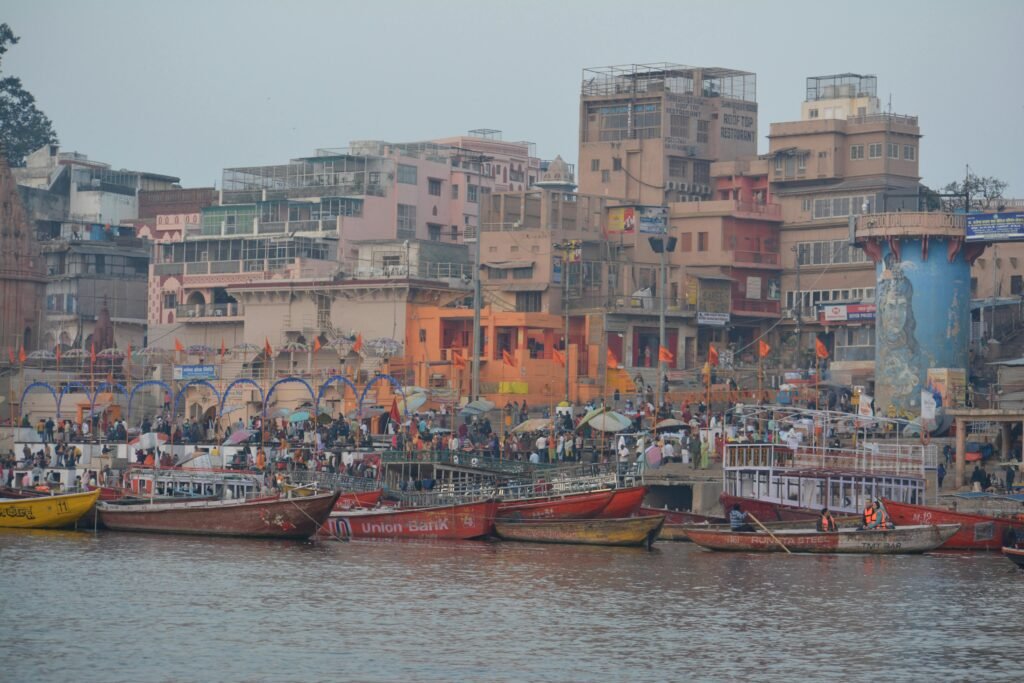
The most famous and vibrant of all, Dashashwamedh Ghat is where the Ganga Aarti takes place every evening. According to legend, Lord Brahma performed the Dasha (ten) Ashwamedha (horse) sacrifices here.
This ghat is a center of spiritual energy and attracts pilgrims and tourists alike. The rhythmic chants, flaming lamps and the fragrance of incense make the evening Aarti an unforgettable experience.
Manikarnika Ghat
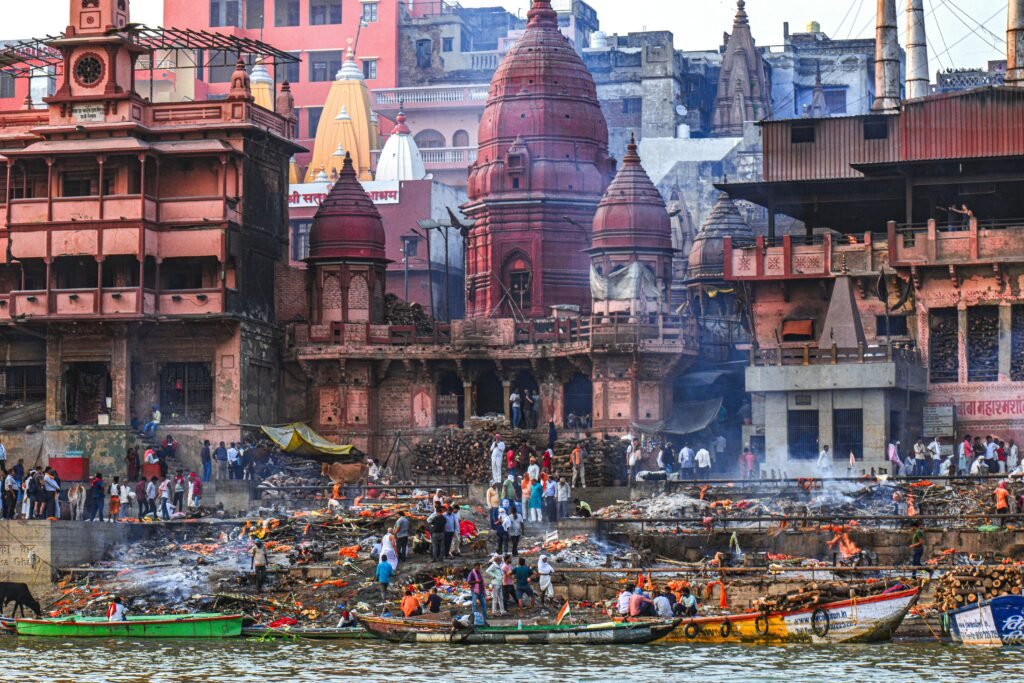
Known as the ‘burning ghat’, Manikarnika is one of the oldest and most sacred ghats, where Hindu cremation rituals are performed. It is believed that those who die and are cremated here attain moksha (liberation from the cycle of rebirth).
The ghat gets its name from a myth involving Lord Shiva and Goddess Parvati—Shiva’s earring (manikarnika) is said to have fallen here. Watching the perpetual cremations evokes both reverence and introspection.
Assi Ghat
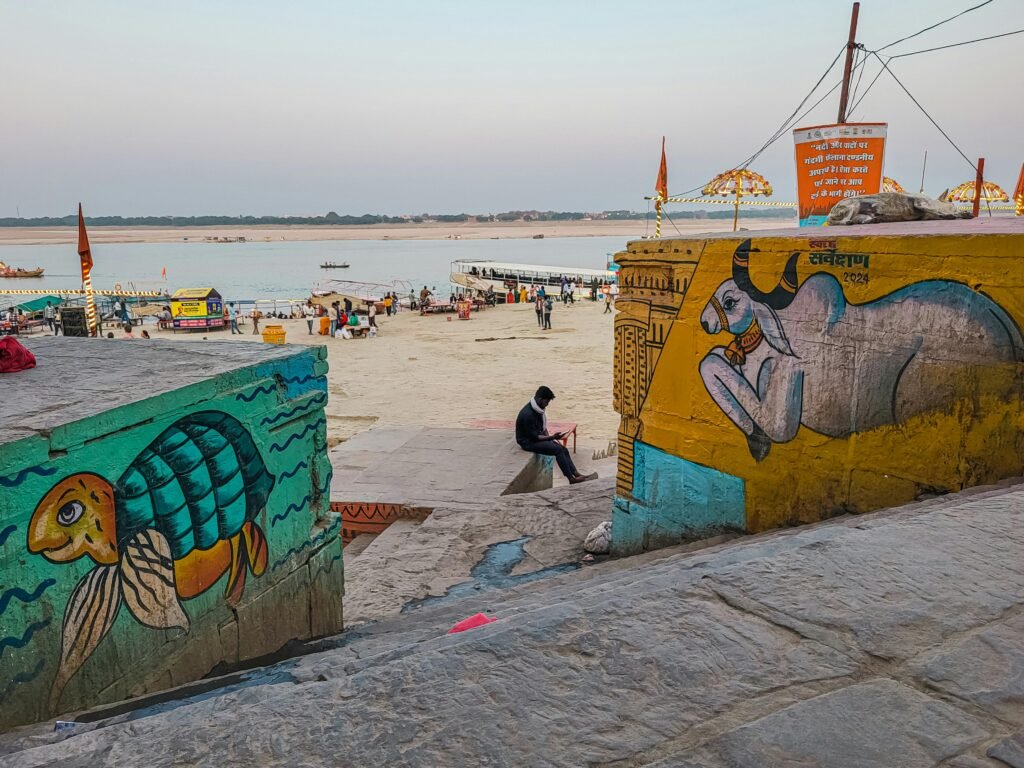
Located at the confluence of the Assi River and the Ganges, Assi Ghat is popular among locals, students, and travelers. It’s more relaxed and is often associated with morning yoga sessions, cultural events, and poetry readings.
It is believed that Goddess Durga threw her sword into the river here after killing the demon Shumbha-Nishumbha.
We will see some other important Ghats of Varanasi, have their own specialties and importance. These are the part of Best places to visit in Varanasi. Let`s scroll the page. If you are also interested in visiting nearby attractions, check out our Varanasi Tour Package to explore more.
Panchganga Ghat
Details
According to Hindu belief, five rivers—Ganga, Yamuna, Saraswati, Kirana, and Dhutapapa—merge here. This ghat holds immense religious importance and is considered spiritually purifying. The famous Alamgir Mosque, built by Aurangzeb, stands here—adding to the layered cultural history of the site.
Scindia Ghat
Details
Also called Shinde Ghat, it features partially submerged temples which are an architectural curiosity. The tilted temple of Lord Shiva submerged in the Ganges is a stark reminder of the city’s geological shifts and passage of time.
Tulsi Ghat
Details
Named after the saint-poet Tulsidas, this ghat is associated with the writing of the Ramcharitmanas. Cultural programs like Ramlila are staged here, keeping alive the traditions and performing arts of Varanasi.
Lalita Ghat
Details
This ghat features the Nepali Mandir (a replica of Kathmandu’s Pashupatinath Temple). Built in traditional Nepalese style with terracotta carvings and woodwork, it adds a different cultural flavor to the city’s skyline.