By Yatrasplash.in | Local Expertise, Timeless Stories
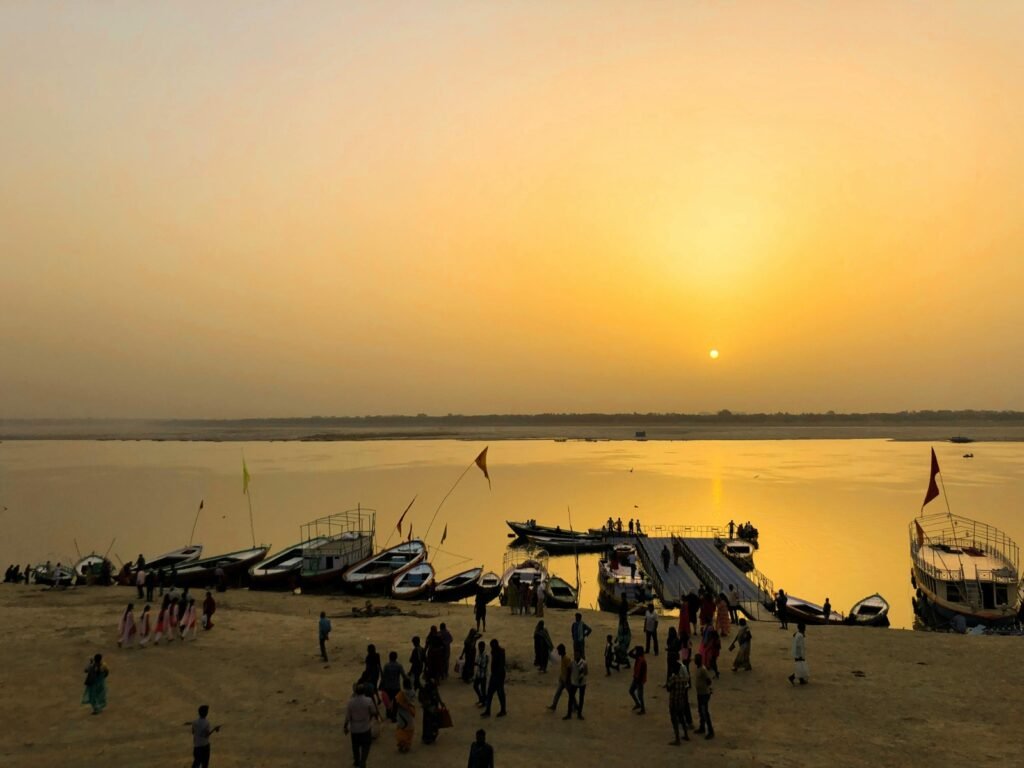
A serene evening at the ghats of Varanasi, one of the best places to visit in Varanasi, where devotion meets the divine Ganges
Varanasi – A City That Lives in Every Moment
Varanasi is a place of spirituality that flows in the air, and is considered as oldest city in the world. Where the river holds not just water but legends—Varanasi is that sacred heartbeat of India. As someone who has walked these alleys, talked to priests, weavers, and wandering sadhus, I can tell you: Varanasi is not famous because it is old, but because it is eternally alive.
The Spiritual Capital of India
Ghats That Tell Stories
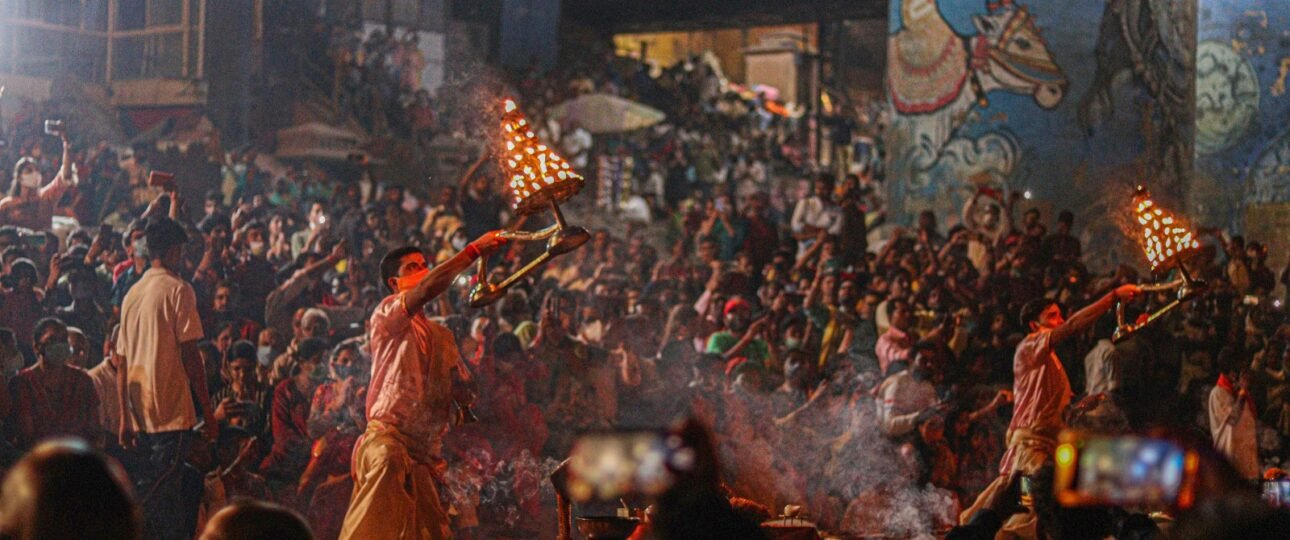
More than 84 ghats line the Ganges here—each with a unique tale. Manikarnika Ghat, where life ends in fire and faith, is balanced by Assi Ghat, where mornings begin with yoga and music. At Dashashwamedh Ghat, the evening Ganga Aarti is a grand spectacle—synchronized bells, flaming lamps, and chants rising with the smoke.
The Ganges River in Varanasi, one of the most iconic features that explains why Varanasi is so famous in India
Where Moksha Meets Daily Life
People come to Varanasi to die. Strange? Maybe. But here, it is believed that dying in Kashi grants moksha—freedom from the cycle of rebirth. Yet the city doesn’t dwell on death. Instead, it embraces it, celebrates life around it, and teaches peace in impermanence.
Kashi Vishwanath – A Temple of Timeless Power
At the heart of Varanasi lies the Kashi Vishwanath Temple, one of the 12 jyotirlingas of Lord Shiva. Rebuilt and restored over centuries, it stands today as a majestic confluence of faith and architecture. The recent Kashi Vishwanath Corridor has not only expanded the premises but made it more accessible, blending modern infrastructure with ancient devotion.
Pro Tip: Visit during Mangala Aarti (pre-dawn). The silence, bells, and rising incense are unforgettable.
A Hub of Culture, Knowledge, and Classical Arts
Birthplace of Great Minds
From Tulsidas (who wrote the Ramcharitmanas) to Pandit Ravi Shankar and Ustad Bismillah Khan, Varanasi has produced legends in music, literature, and philosophy. Banaras Hindu University (BHU), one of Asia’s largest, continues this intellectual tradition.
Music That Echoes in the Lanes
The Banaras Gharana—a classical music style born here—is still taught in riverside homes and hidden classrooms. Sit with a local guru or attend an open-air Dhrupad Mela if your timing is right.
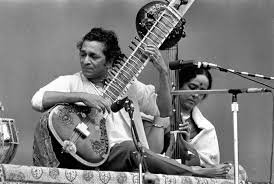
Pandit Ravi Shankar – the legendary sitar maestro who introduced Indian classical music to the global stage
A Living Heritage of Crafts & Sarees
Banarasi Sarees – Threads of Royalty
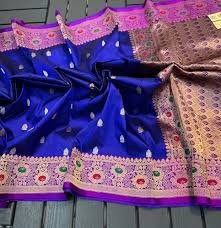
A timeless red Banarasi saree with handwoven zari detailing – a masterpiece of Indian craftsmanship
Banarasi sarees are one of the most cherished treasures in Indian ethnic fashion. Woven in Varanasi, these sarees are renowned for their luxurious silk fabric and intricate zari (gold or silver thread) work. Originally crafted for royalty, Banarasi sarees continue to hold a special place in bridal trousseaus and festive wardrobes.
There are several types of Banarasi sarees to explore: Katan Banarasi, known for its pure silk threads; Organza (Kora) Banarasi, featuring delicate embroidery; Georgette Banarasi, which is lightweight and easy to drape; and Shattir Banarasi, perfect for modern designs. Each type showcases the rich heritage of Indian weaving and craftsmanship.
Whether it’s a wedding, festival, or cultural celebration, a Banarasi saree adds unmatched grace and tradition to your look. Invest in this timeless weave and celebrate the legacy of Indian artisanship.
Handicrafts Beyond Textiles
Look beyond sarees and you will find woodwork, brass lamps, glass beads, and Gulabi Meenakari (pink enamel jewelry). The local markets—Godowlia, Thatheri Bazaar—are treasure hunts for handmade beauty.
Festivals That Dazzle the Soul
Dev Deepawali – Ganga in Light
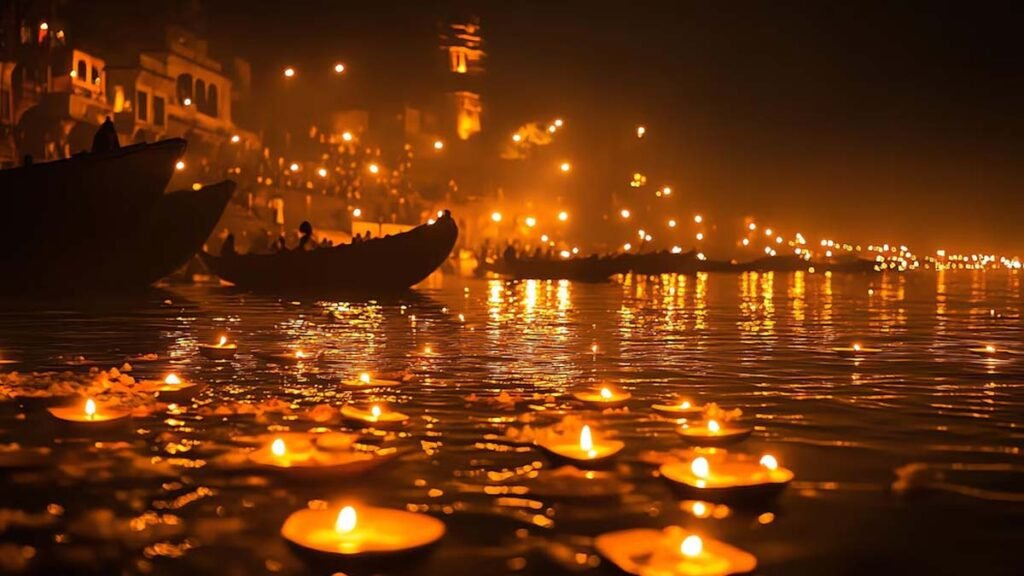
Celebrated 15 days after Diwali, the Dev Deepawali sees every ghat lit with thousands of diyas. It feels like the stars have descended to earth. If you ever visit once—make it this night. If you want know more about Festivals celebration, please visit my dedicated block “Fair & Festival of Varanasi“.
Ramnagar ki Ramlila
A 200-year-old theatrical tradition where the entire town becomes a stage. Each day of Navratri sees a new act of Ramayana, performed with stunning scale and emotional power.
Dev Diwali celebration at Varanasi – the ghats lit up with diyas as devotees gather to honor the gods.
A City Being Reimagined
Cleaner, Connected, Still Sacred
Recent years have seen major improvements—modern ghats, better roads, green zones, electric crematoriums, and even a plastic-free corridor around Vishwanath Temple. Despite the growth, Varanasi keeps its soul intact.
Tourism with Heart
With over 7 million tourists (domestic and international) in 2024 alone, the city is prepared—hotels, eco-tours, e-rickshaws, food walks, and wellness retreats.
My Local Experience – Why I Keep Falling in Love With Kashi
Born here, I’ve watched Varanasi wake up in the fog, seen monks and businessmen share morning tea, heard shlokas rise with the sun. This city doesn’t try to impress you—it pulls you in. You’ll feel smaller, but never alone
Pro Tip:
Lose the map. Walk. Let the lanes guide you. Say yes to chai, to boat rides, to stories from strangers. That’s how you meet the real Varanasi.